How to Release an Impounded Car in the UAE?
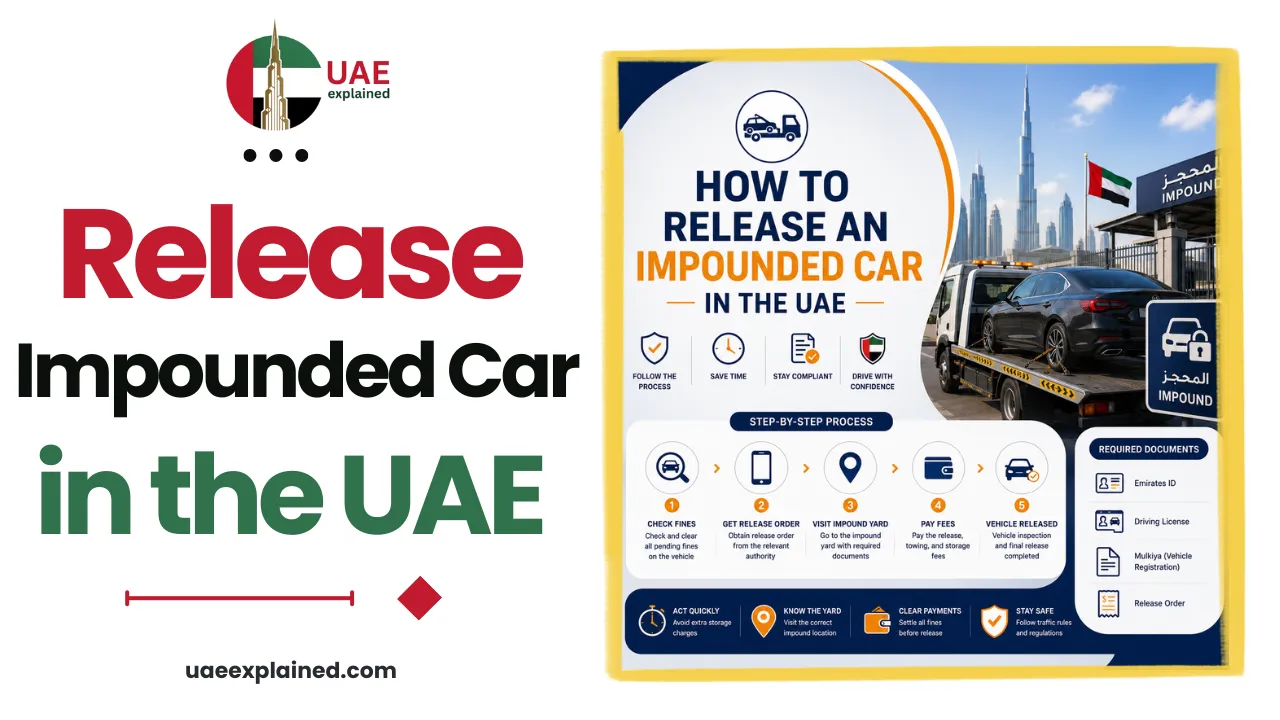
To release an impounded car in the UAE, contact the police in the emirate where it was seized, pay all fines linked to the violation, and wait out the impound period, which runs from about 7 to 90 days. Then visit the impound yard with your Emirates ID, driving license, and registration card to collect it. Storage fees can apply if you do not collect it in time.
- Check and pay all fines linked to the violation.
- Wait out the impound period set for the offence.
- Collect the car with your ID, license, and Mulkiya.
Why cars get impounded?
Impoundment is reserved for serious offences, not everyday fines. A car is usually seized for things like extreme speeding, reckless driving, or driving without a valid license. The table below shows typical examples, though the exact figures vary by emirate and case.
| Violation | Typical penalty |
|---|---|
| Speeding 60 km/h or more over the limit | Around AED 3,000 plus about 30 days |
| Drifting or reckless driving | Around AED 10,000 plus about 60 days |
| Driving without a valid license | Around AED 5,000 plus about 90 days |
| Running a red light | Around AED 1,000 plus about 30 days |
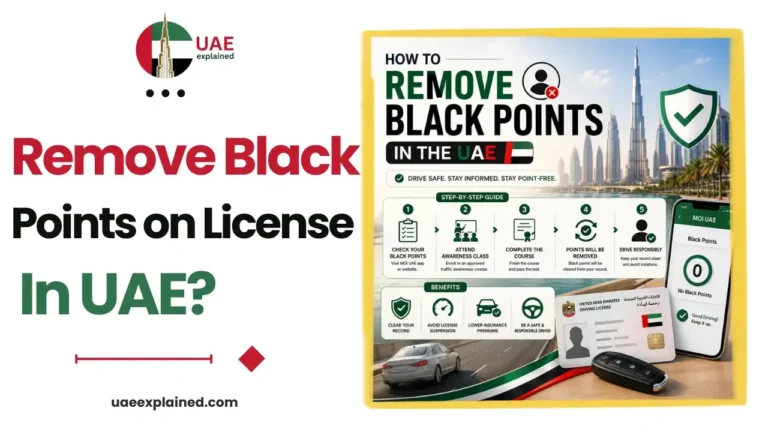
These offences also carry heavy black points, which are separate from the fine and the impound, so it is worth a look at how to check your black points after any serious violation.
How to release an impounded car?
The release process is the same idea across the emirates. You deal with the authority that seized the car, settle what is owed, and collect it once the period is over.
- Contact the police in the emirate where the car was impounded, such as Dubai Police or Abu Dhabi Police, or the RTA.
- Check your fines and pay everything linked to the violation.
- Wait out the impound period. Paying the fines does not shorten it.
- Visit the impound yard with your original Emirates ID, driving license, and registration card. After official clearance, the car is released.
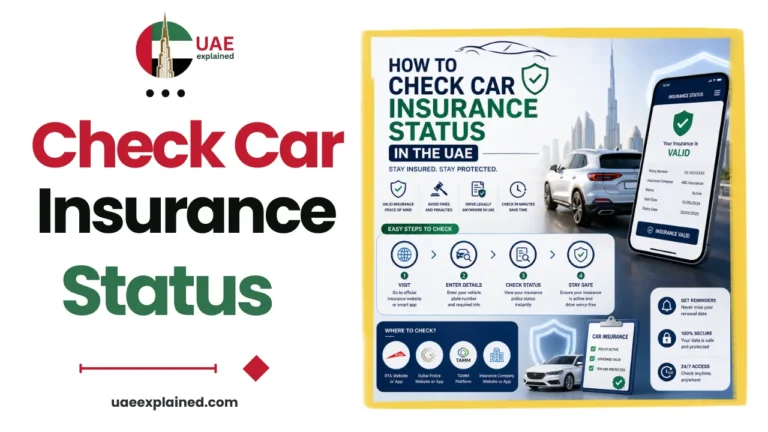
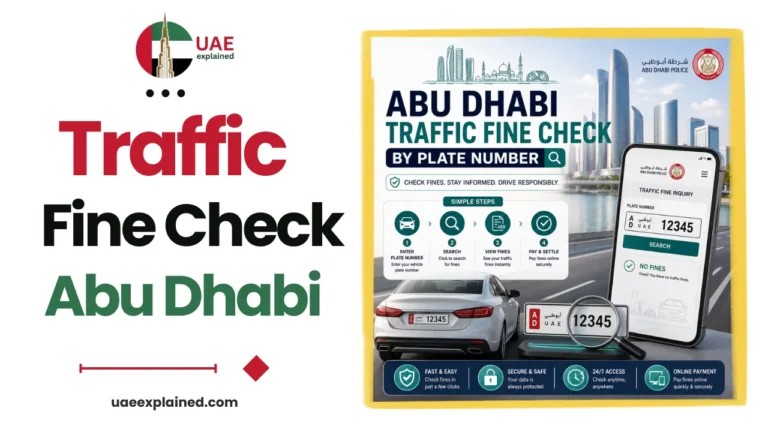
The most common misunderstanding is thinking payment gets the car back straight away. It does not. Clearing the fines is required, but you still have to wait out the set period. Start by running an RTA fine check so you know exactly what is owed. The wider set of driver tasks is in our UAE traffic, vehicle and fines guide.
Impound periods, storage fees and auction
Impound periods run from about 7 to 90 days depending on the offence. Once that period ends, you should collect the car promptly, because delay adds cost.
If you leave the car past the release date, storage fees start to build up, commonly around AED 50 per day in Dubai. Worse, if a car is left unclaimed for three months, it can be sold at public auction under Dubai’s impoundment rules. So once the period is over and fines are paid, collect the vehicle without delay.
Frequently asked questions
How do I get my impounded car back in the UAE?
Contact the police in the emirate where the car was seized, pay all fines linked to the violation, and wait out the impound period. Then go to the impound yard with your original Emirates ID, driving license, and registration card. After clearance, the car is released to you.
Can I get my car back before the impound period ends?
No. Paying the fines is required, but it does not shorten the impound period. You must wait out the full period set for the offence, which can run from about 7 to 90 days. Only then can you collect the car from the yard.
How much are impound storage fees?
If you do not collect the car after the impound period ends, storage fees apply, commonly around AED 50 per day in Dubai. These add up quickly, so it is best to collect the vehicle as soon as the period is over and the fines are cleared.
What happens if I do not collect my impounded car?
Storage fees keep building for every day the car stays in the yard. If it is left unclaimed for three months, it can be sold at public auction under Dubai’s impoundment rules. To avoid losing the vehicle, collect it promptly once the period ends and the fines are paid.
Last verified: August 2026
Written by Roman Shah · Reviewed by the UAEexplained editorial team
Source: Dubai Police; Roads and Transport Authority (RTA)